
Returning to Running Postpartum: What Most Women Get Wrong

For many women, running represents freedom, identity and mental clarity. After pregnancy and childbirth, returning to running often feels like an important step toward reclaiming normal life.
However, many women return to running far too soon and without proper rehabilitation.
Pregnancy and childbirth place significant stress on the body, particularly the core, pelvic floor, hips and lower back. These structures play a critical role in absorbing impact while running.
Without adequate recovery, returning to running prematurely can increase the risk of pelvic floor symptoms, ongoing pain and recurring injuries.
Understanding the most common mistakes women make when returning to running postpartum can help support a safer and more sustainable return to exercise.
Mistake 1: Assuming “feeling fine” means you are ready
One of the most common misconceptions is that if daily movement feels comfortable, running should also be safe.
However, running places two to three times body weight through the body with every stride. Even if walking and light exercise feel manageable, the muscles and connective tissues supporting the pelvis and spine may not yet tolerate that level of impact.
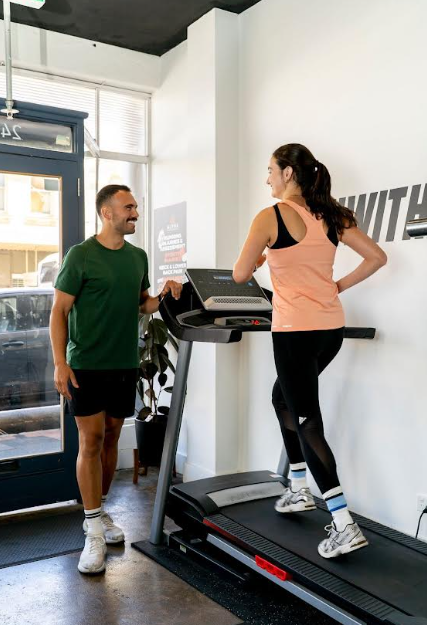
Postpartum recovery is not simply about pain disappearing. It involves rebuilding strength, stability and coordination throughout the core, hips and pelvic floor.
A structured postpartum recovery program can help guide this process and prepare the body gradually for impact exercise.
Mistake 2: Ignoring pelvic floor recovery
The pelvic floor plays a crucial role in supporting the bladder, uterus and bowel while helping manage pressure during movement and exercise.
During pregnancy and childbirth, these muscles are stretched and may lose strength and coordination. Without rehabilitation, women may experience symptoms such as:
● Urinary leakage when running
● Pelvic heaviness or pressure
● Core instability
● Lower back or hip discomfort
These symptoms are common but should not be considered normal.
Many women benefit from guided rehabilitation programs designed specifically for postpartum recovery. Resources such as postpartum rehabilitation and recovery programs can help women rebuild pelvic floor function and return to exercise more safely.
Mistake 3: Skipping strength training
Running is often viewed as a cardiovascular activity, but it actually requires significant muscular strength.
Pregnancy can alter movement patterns and reduce strength in key stabilising muscles such as the glutes, hips and calves. Without rebuilding this strength, running mechanics can become inefficient and place unnecessary stress on the body.
Important areas to focus on during postpartum rehabilitation include:
● Glute strength and hip stability
● Deep core activation
● Calf strength and endurance
● Single-leg balance and control
Strength training creates the foundation needed to handle the repetitive load of running. Mistake 4: Returning based on time instead of readiness
Many women believe they can return to running six weeks after childbirth once they receive medical clearance.
However, six weeks typically marks the end of the initial healing phase — not the completion of physical recovery.
For many women, a safer timeline involves three to six months of progressive rehabilitation before returning to running comfortably.
Recovery timelines vary depending on several factors, including:
● Mode of delivery
● Pelvic floor strength
● Abdominal separation (diastasis recti)
● Previous training experience
● Overall strength and conditioning
Listening to the body and progressing gradually is far more important than following a fixed timeline.
Mistake 5: Ignoring ongoing pain
Pain in areas such as the lower back, hips, pelvis or knees is often dismissed as a normal part of postpartum recovery.
However, persistent discomfort may indicate that the body is not yet tolerating the load placed on it during exercise.
Early assessment and treatment can help identify underlying issues and prevent long-term injury. Women experiencing ongoing symptoms are encouraged to seek guidance from qualified health professionals experienced in postpartum rehabilitation.
Clinics such as Alpha Sports Medicine, which work with athletes and active women, often see postpartum runners struggling with issues that could have been prevented through gradual rehabilitation and strength rebuilding.
If symptoms such as pelvic pressure, leakage or persistent pain appear when returning to running, seeking guidance early can help ensure recovery stays on track. Women who need professional guidance can reach out through the clinic’s contact page to discuss assessment and rehabilitation options.
What a Safe Return to Running Looks Like
A safe return to running postpartum usually follows several progressive stages.
1. Restore pelvic floor and core function
Begin with breathing exercises, pelvic floor activation and deep core strengthening.
2. Rebuild strength
Focus on glutes, hips, calves and single-leg stability.
3. Introduce low-level impact
Exercises such as skipping, hopping and brisk walking help prepare the body for running.
4. Gradually progress running volume
Run-walk intervals allow the body to adapt safely to impact.
5. Monitor symptoms closely
Any pain, pelvic pressure or leakage may indicate that the body needs more rehabilitation before increasing intensity.
The Bottom Line
Returning to running postpartum should be viewed as a rehabilitation process rather than a quick return to previous training levels.
With the right approach, many women are able to rebuild strength, improve resilience and return to running safely.
Taking the time to recover properly does not delay progress — it lays the foundation for long-term performance, injury prevention and overall wellbeing.


